Impact of the Middle East Conflict (Iran vs. Israel) on New Energy Products
March 9, 2026 – The escalating military conflict between Iran and Israel, which has quickly spread across the Middle East and drawn in major global powers, is sending profound shockwaves through the global new energy industry. What began as localized tensions has evolved into a regional crisis, disrupting supply chains, altering market dynamics, and reshaping the long-term trajectory of renewable energy, electric vehicles (EVs), and energy storage products—sectors that have been driving global energy transition efforts.
The Middle East, a critical hub for global energy trade and an emerging market for new energy adoption, is now at the center of a crisis that impacts both the supply and demand sides of the new energy ecosystem. From disrupted shipping lanes to soaring raw material costs, and from paused regional projects to shifting global investment trends, the conflict is creating both immediate challenges and unexpected long-term opportunities for new energy businesses worldwide, especially those engaged in international trade.
Short-Term Disruptions: Supply Chains and Logistics Under Pressure
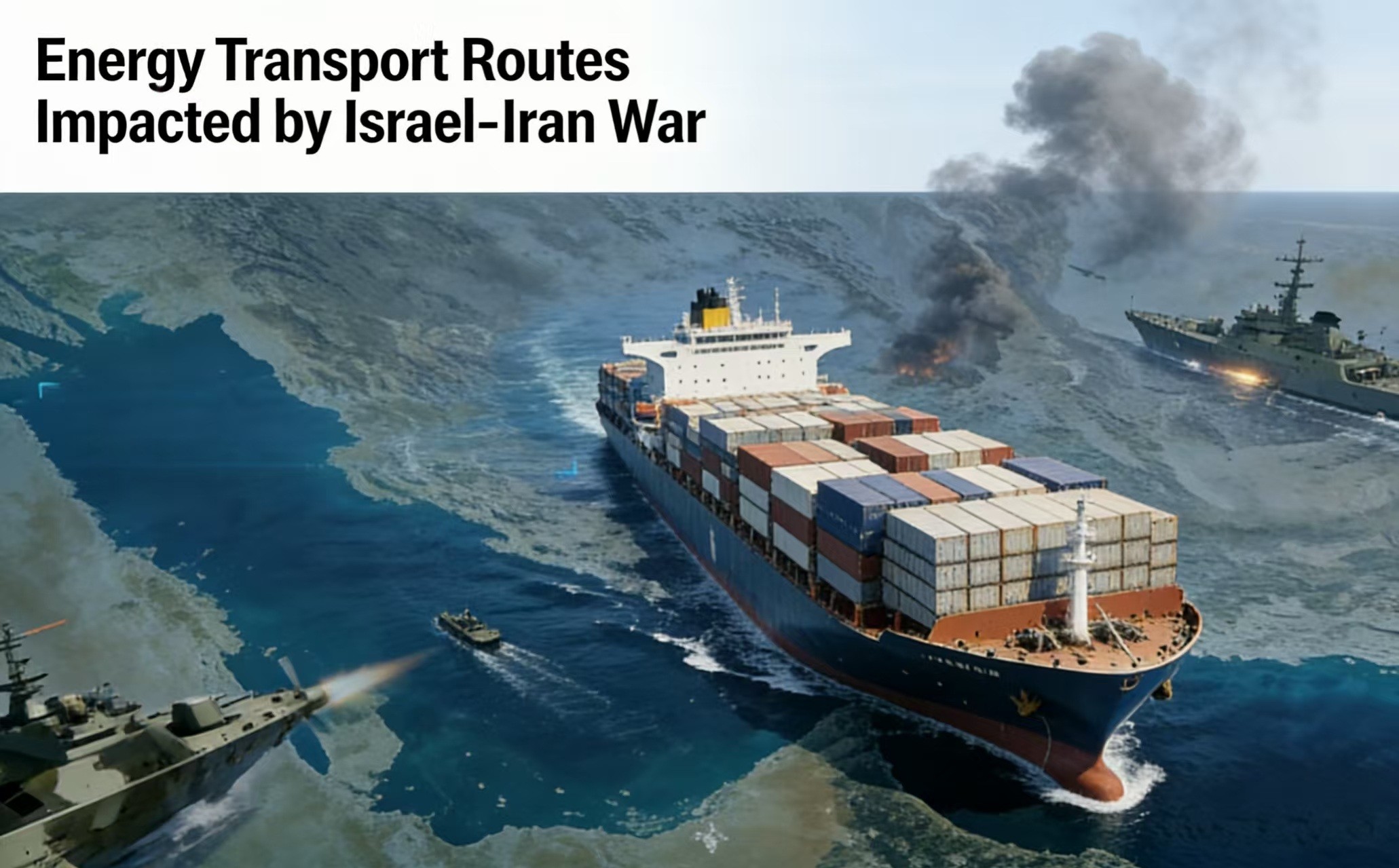
The most immediate impact of the conflict lies in the disruption of key shipping routes and supply chains. The Strait of Hormuz, a vital waterway through which 20-30% of the world’s crude oil and 20% of global liquefied natural gas (LNG) passes, has seen a near-standstill in vessel traffic as Iran has tightened control over the region. Major shipping companies including Hapag-Lloyd, Maersk, and CMA CGM have suspended transits through the strait, forcing vessels to take longer, costlier alternative routes such as the Cape of Good Hope.
For new energy products, this disruption translates to delayed deliveries and soaring logistics costs. EV batteries, solar panels, wind turbine components, and energy storage systems—many of which are manufactured in Asia and exported to the Middle East, Europe, and North America—are facing extended lead times. Shipping rates for large equipment (such as wind turbine blades and EV chassis) have surged, with the daily rental cost of ultra-large crude carriers nearly quadrupling since the start of the conflict, and war risk premiums for maritime insurance increasing by over 300%.
Raw material supplies for new energy production have also been affected. Iran is a key global supplier of methanol (10% of global exports) and sulfur (30% of global supply), both critical for manufacturing EV battery electrolytes, diaphragms, and solar glass. The conflict has pushed up the prices of these materials, compressing profit margins for new energy manufacturers. Additionally, 40% of global chip shipments pass through the Persian Gulf route, leading to 2-3 month delays in the delivery of automotive electronics, a key component of EVs and smart energy systems.
Regional Demand Shifts: Paused Projects and Uncertainty
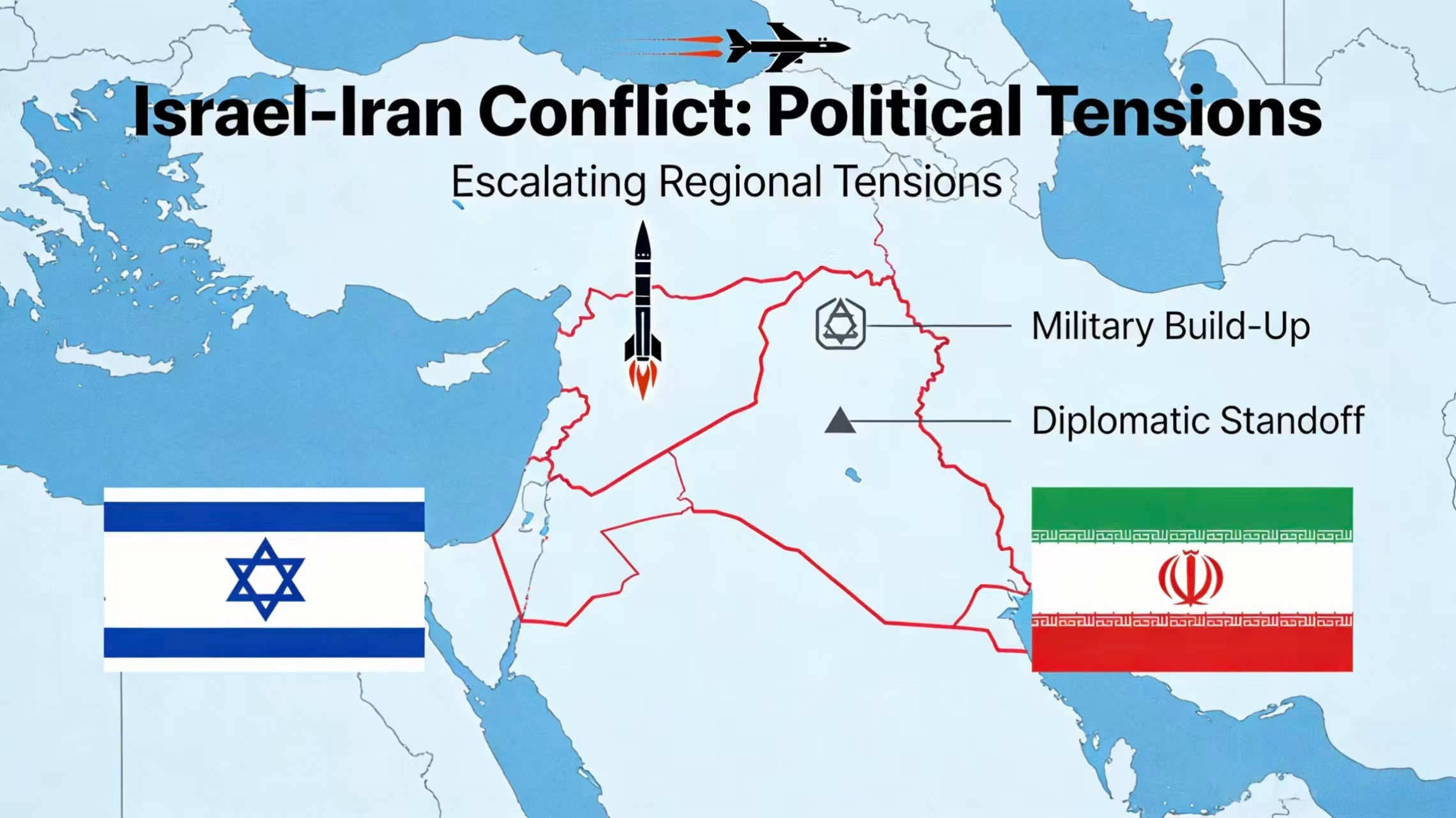
The Middle East has emerged as a fast-growing market for new energy products in recent years, with countries like Saudi Arabia, the UAE, and Israel investing heavily in solar energy, wind power, and EV infrastructure. However, the ongoing conflict has forced many of these projects to be put on hold.
Saudi Arabia’s NEOM project, a flagship initiative featuring 1.5GWh of energy storage and large-scale solar installations, has suspended operations, along with the UAE’s solar matching storage projects and Egypt’s solar power plants. These suspensions have led to a sharp drop in demand for solar panels, inverters, and energy storage batteries in the region. In 2025, China alone exported 18GW of solar panels, 12GW of inverters, and 15GWh of energy storage batteries to the Middle East—accounting for 20%, 15%, and 30% of its global exports respectively—and these shipments have now been disrupted, resulting in an estimated annual loss of over $50 billion for Chinese new energy enterprises.
EV demand in the region has also cooled. Israel, a leading market for EV adoption in the Middle East, has seen a slowdown in new vehicle registrations as consumer confidence wanes amid geopolitical uncertainty. Similarly, Iran’s domestic EV market, which was beginning to take off, has been hampered by supply shortages and economic instability caused by the conflict.
-3719083.jpg "62(1).jpg")
Long-Term Opportunities: Accelerated Energy Transition and Diversification
Despite the short-term chaos, the Middle East conflict is also accelerating the global shift toward renewable energy, creating long-term opportunities for the new energy industry. The crisis has once again highlighted the fragility of global energy supply chains dependent on fossil fuels, prompting governments and businesses worldwide to prioritize renewable energy as a cornerstone of energy security.
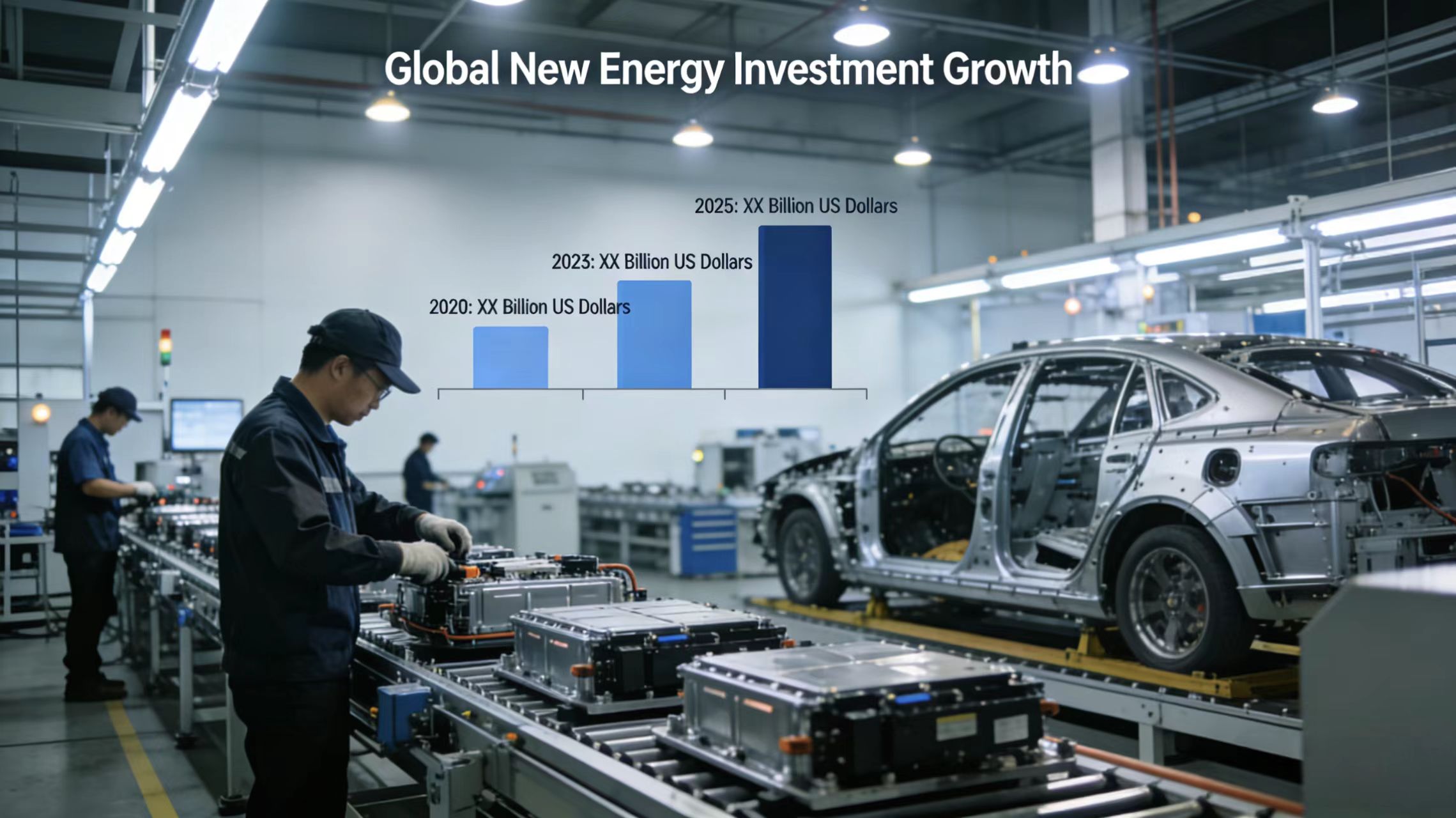
International oil prices have surged from around $90 per barrel before the conflict to $120-$150 per barrel, significantly improving the economic viability of renewable energy alternatives such as solar, wind, and EVs. Governments in Europe, Asia, and North America are now accelerating their energy transition plans, increasing investments in renewable energy infrastructure and offering incentives for EV adoption. This shift is expected to drive long-term demand for new energy products, offsetting the short-term losses from the Middle East market.
For new energy exporters, the conflict has also highlighted the need to diversify market strategies. Businesses are increasingly looking to expand into alternative markets such as Southeast Asia, Latin America, and Africa, reducing their reliance on the Middle East. Additionally, there is a growing focus on localized production—establishing manufacturing facilities in target markets to avoid shipping disruptions and trade barriers.
Implications for New Energy Businesses
For companies operating in the new energy sector, the Middle East conflict underscores the importance of risk management and adaptability. Key considerations include:
Supply Chain Diversification: Reducing reliance on single-source raw materials and shipping routes, and building strategic inventories of critical components.
Market Diversification: Exploring emerging markets to mitigate the impact of regional crises on demand.
Risk Monitoring: Establishing geopolitical risk monitoring mechanisms to respond quickly to changes in the conflict and adjust business strategies accordingly.
Compliance and Certification: Ensuring adherence to international trade regulations and local certification requirements (such as COPROCEA certification for EVs in Costa Rica) to facilitate market access amid changing geopolitical dynamics.
As the conflict in the Middle East continues to evolve, the new energy industry will face ongoing challenges. However, the crisis is also a catalyst for change—accelerating the global energy transition and creating new opportunities for businesses that can adapt to the shifting landscape. For businesses (foreign trade businesses), staying informed about geopolitical developments and proactively adjusting strategies will be key to navigating the uncertainty and seizing long-term growth opportunities.