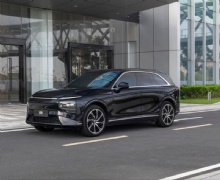
US-Iran Conflict Triggers Oil Price Surge, New Energy Vehicle Sales Skyrocket
April 10, 2026 – As tensions escalate between the United States and Iran, global oil markets have been thrown into turmoil, with crude oil prices soaring to near-record highs. This sharp increase in fuel costs has significantly shifted consumer preferences, driving a dramatic surge in sales of new energy vehicles (NEVs) worldwide, especially in emerging markets and export-focused regions.
The ongoing US-Iran conflict has disrupted global energy supplies, particularly as Iran maintains its blockade of the Strait of Hormuz – a critical waterway through which nearly 20% of the world’s crude oil is transported. Since the conflict intensified, Brent crude oil prices have surged by more than 60%, hovering close to $120 per barrel, while WTI crude reached $116.87 per barrel on April 7. Domestic fuel prices in many countries have followed suit, with gasoline prices breaking historic highs and increasing the cost of owning and operating traditional fuel-powered vehicles.
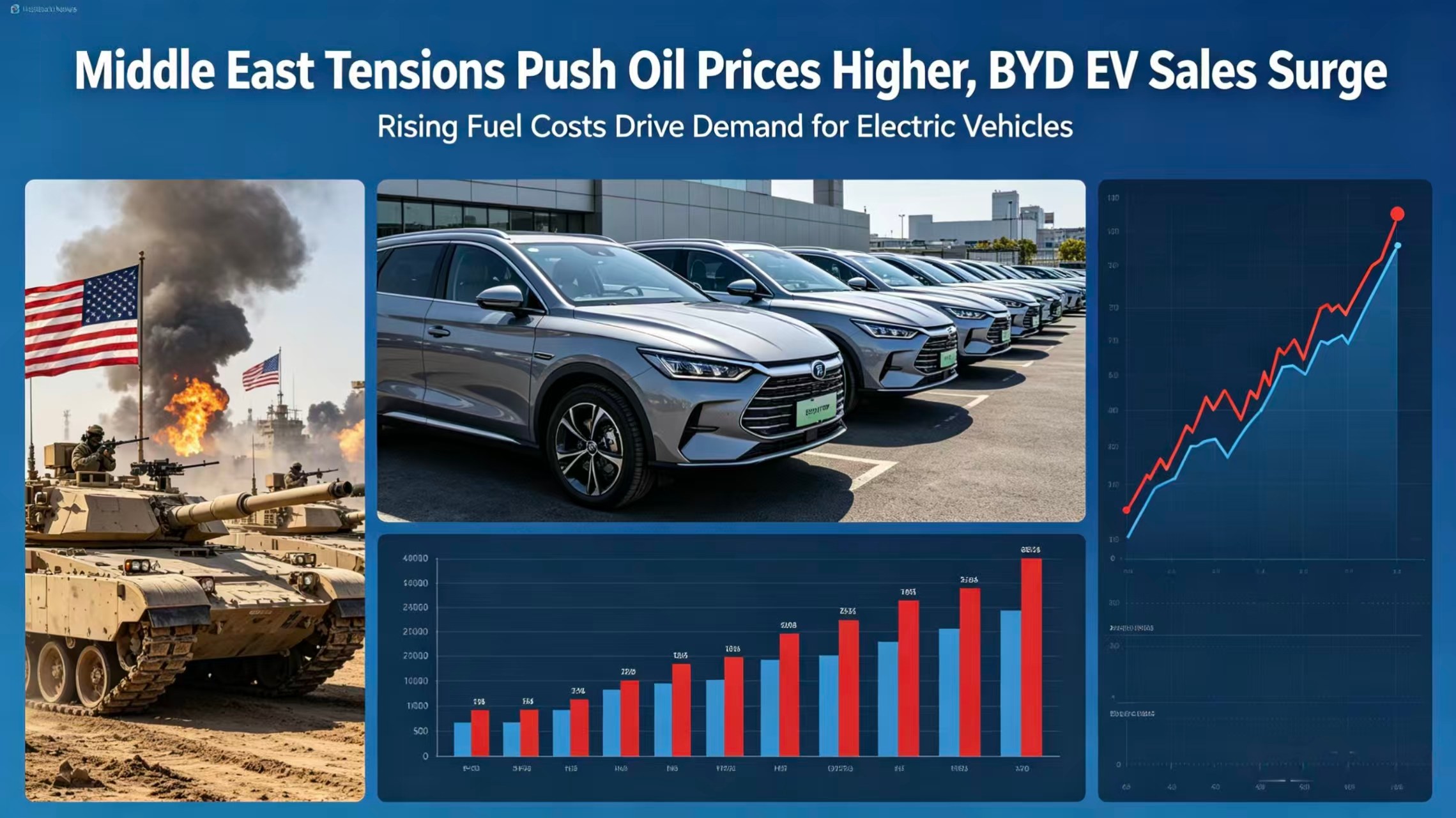
For consumers and businesses alike, the rising cost of fuel has become a key factor in purchasing decisions. The gap between the operating costs of fuel-powered cars and NEVs has widened dramatically: fuel-powered vehicles cost approximately $0.09 to $0.12 per kilometer to run, while electric vehicles (EVs) charged at home cost only $0.01 to $0.02 per kilometer – less than a quarter of the cost. This stark difference has prompted a large number of hesitant consumers to switch to NEVs.
Global NEV sales have responded with unprecedented growth. Data from the International Energy Agency (IEA) shows that global EV sales are expected to exceed 20 million units in 2025, accounting for more than a quarter of new car sales worldwide. In the first quarter of 2026 alone, global EV sales rose by 35% year-on-year, with particularly strong growth in Asia, Europe, and Oceania.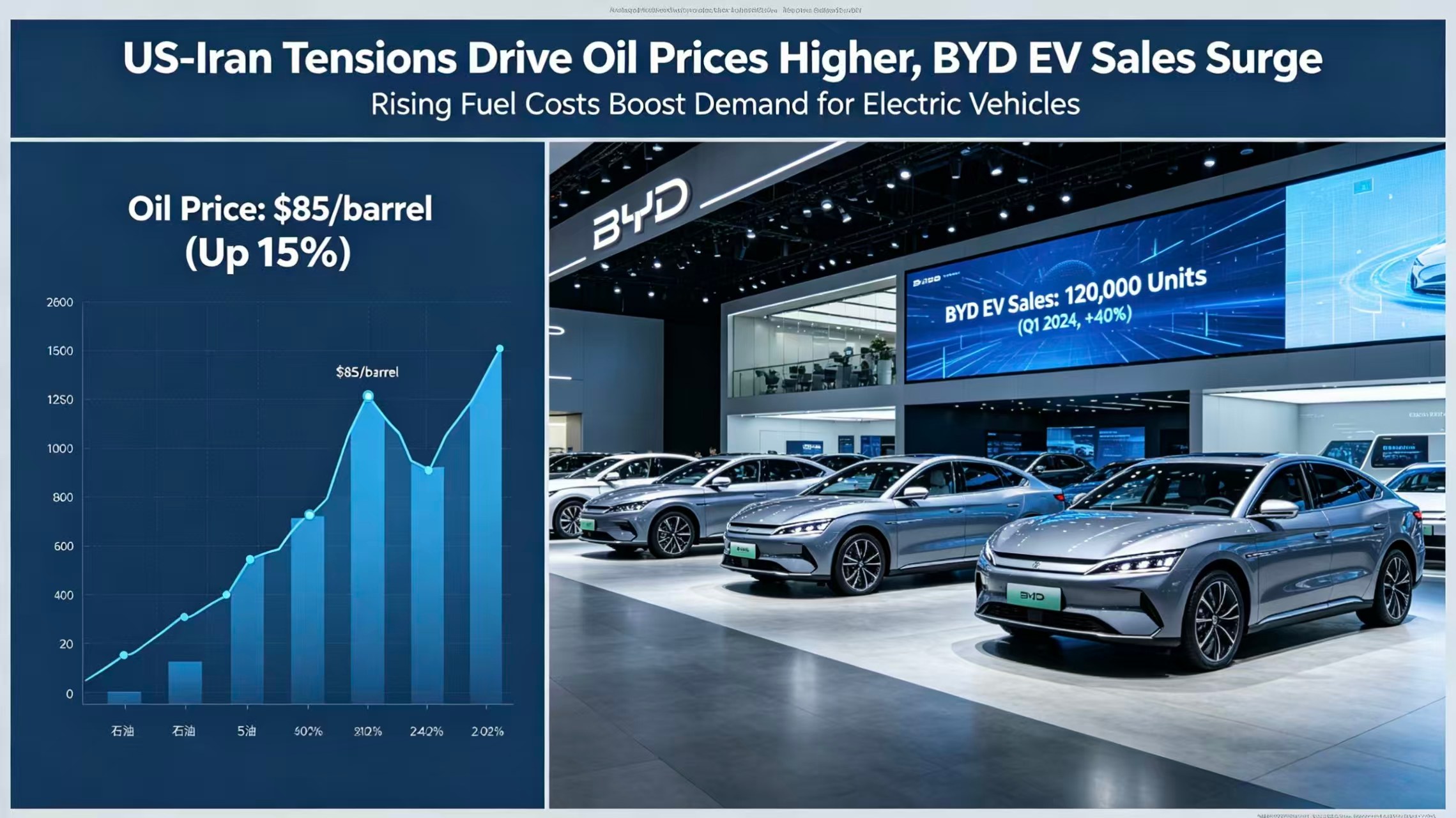
China, the world’s largest NEV exporter, has seen a significant boost in overseas shipments. Customs data shows that China’s NEV exports exceeded 6 million units in 2025, a year-on-year increase of 38%, with export value surpassing $105 billion. Emerging markets have become major growth drivers: Mexico imported 572,000 Chinese NEVs in 2025, a year-on-year increase of 208%, while sales in the Middle East, Australia, and Southeast Asia have also surged by over 100% respectively.
Regional market performance highlights the trend: in Europe, pure electric vehicle market share in the EU reached 18.8% in the first two months of 2026, up from 15.2% a year earlier, with Germany and France seeing double-digit growth in EV registrations. In Australia, EV sales accounted for 14.6% of total new car sales in March 2026, nearly doubling from 7.5% in the same period last year, with Chinese brands like BYD surpassing Tesla to become the top-selling EV brand. In New Zealand, the combined market share of pure electric and plug-in hybrid vehicles exceeded 33% in March, while traditional fuel-powered passenger car share fell below 50% for the first time.
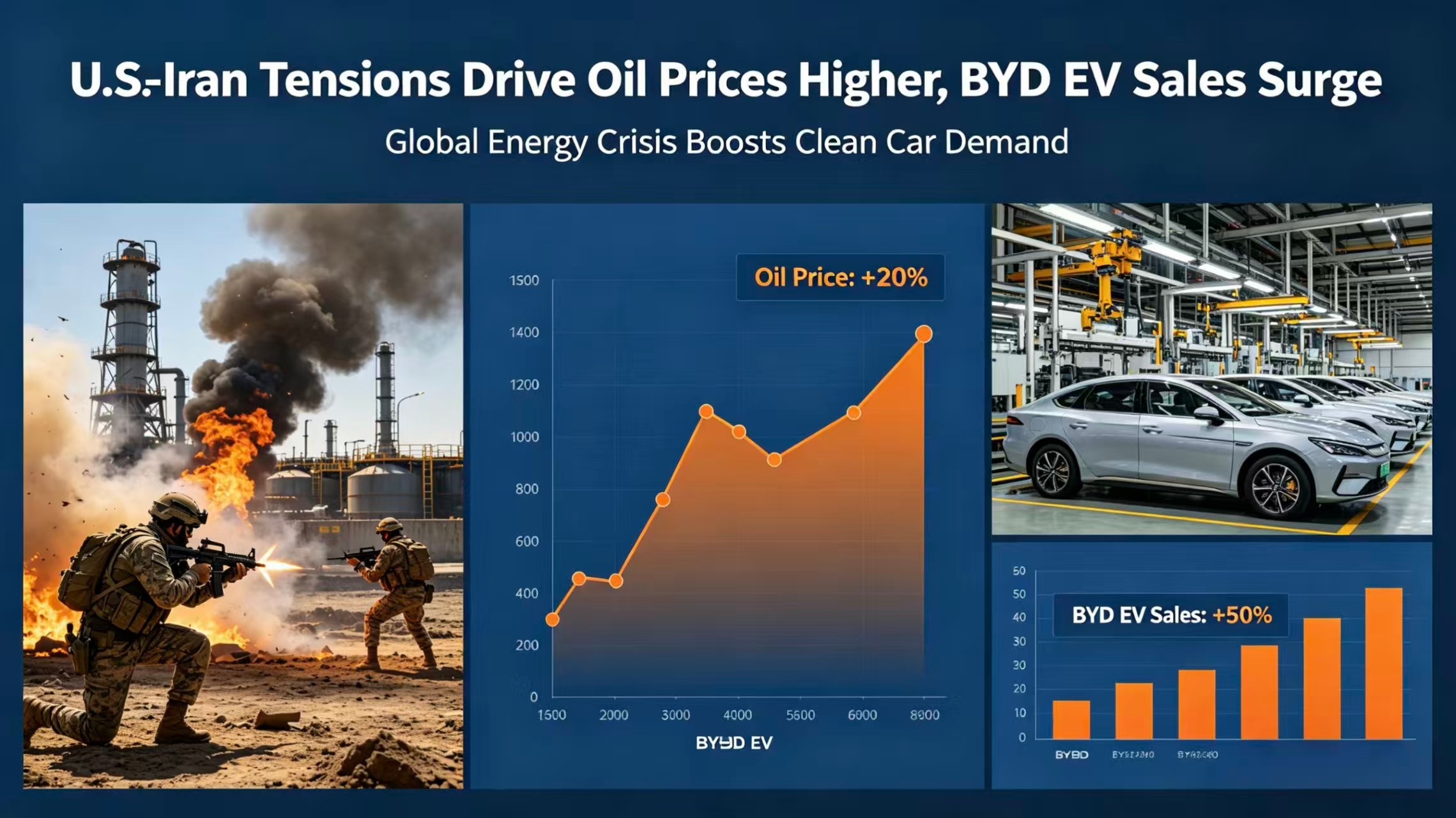
Industry experts predict that if the US-Iran conflict persists and oil prices remain high, NEV penetration rates will continue to rise. Cui Dongshu, Secretary-General of the China Passenger Car Association (CPCA), noted that sustained high oil prices could push NEV penetration up by an additional 2-3 percentage points globally. NIO founder Li Bin even forecast that NEV penetration in China could reach 65% by the fourth quarter of 2026 and exceed 90% by 2030.
For NEV manufacturers and exporters, the current market environment presents a significant opportunity. As global demand shifts toward eco-friendly and cost-effective transportation, brands that focus on product quality, localized services, and technological innovation are well-positioned to capture market share. With the global push for carbon neutrality and the rising cost of fossil fuels, the NEV market is poised for sustained growth in the coming years.