Author:AliceDate:2026-7-23
How to Maintain EV Batteries, Motors, and ESCs in Hot and Humid Summer
The hot, humid, and rainy summer weather poses severe challenges to the three core systems of electric vehicles: the battery, motor, and electronic speed controller (ESC). High temperatures accelerate the aging of key components, while humid conditions easily cause insulation degradation, circuit moisture penetration, and poor heat dissipation, negatively affecting vehicle range, power performance, and driving safety. As the core powertrain of new energy vehicles, the three-electric system requires professional maintenance in summer. Hong Kong Bright Gal International Co.,Ltd (HKBG) has summarized a practical summer maintenance guide based on rich industry experience, helping users professionally maintain electric vehicles, extend the service life of core components, and ensure stable and safe summer travel.

1. Power Battery: Temperature & Humidity Control to Avoid High-Temperature Damage
As the energy core of electric vehicles, the power battery is extremely sensitive to temperature and humidity, with an optimal operating temperature range of 20℃-35℃. Summer sun exposure, high-temperature fast charging, water immersion, and long-term full-charge parking are major causes of battery damage. In hot and humid seasons, priority should be given to temperature reduction, moisture prevention, and standardized charging.
Summer outdoor temperatures often exceed 35℃. Long-term outdoor sun exposure raises the battery pack temperature above 40℃, resulting in reduced cruising range, accelerated cell aging, and permanent battery capacity loss. It is recommended to park vehicles in underground garages or shaded and ventilated areas instead of prolonged direct sunlight exposure. If the vehicle has been exposed to the sun or driven for a long distance, do not charge it immediately. Let it stand and ventilate for about 30 minutes until the battery temperature drops to the normal range before charging.
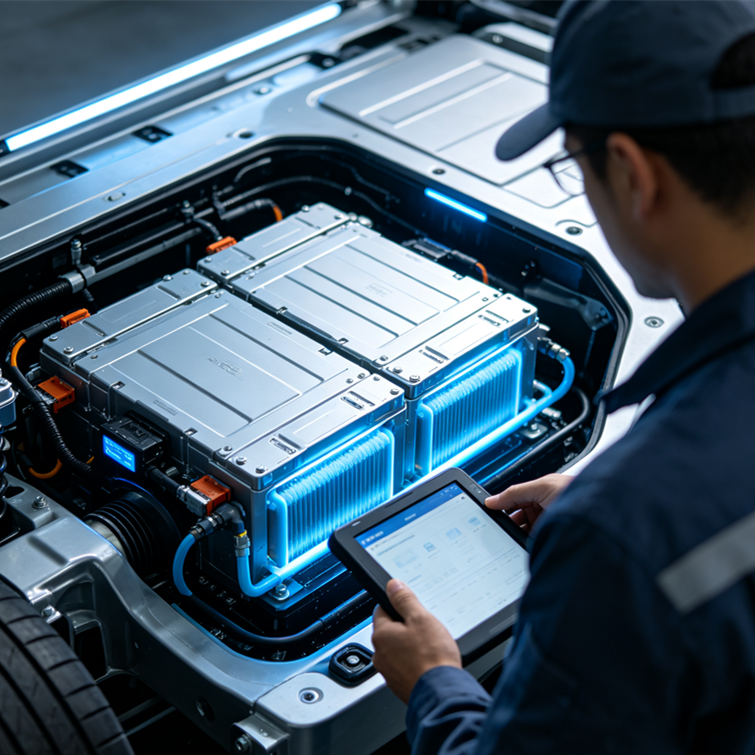
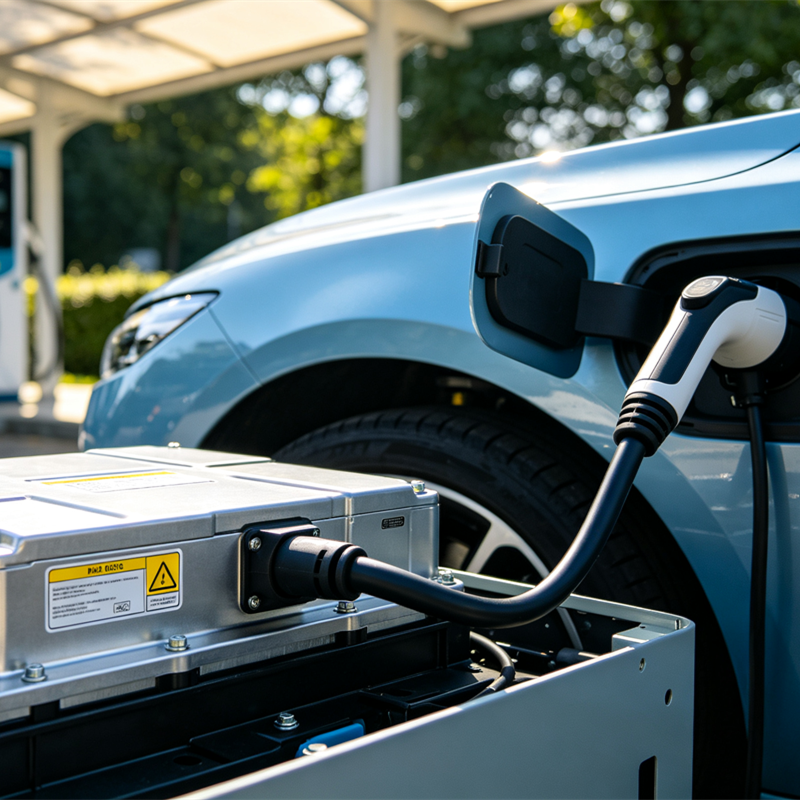
High humidity and heat greatly increase battery internal activity. Fast charging at high temperatures will intensify the battery’s thermal load, causing cell loss and potential safety hazards. It is preferable to charge in low-temperature periods such as early morning, evening, or night, and use shaded and rainproof charging piles for outdoor charging. Keep charging ports and gun heads dry and clean, and never plug or unplug charging devices with water residue to prevent short circuits and poor contact caused by humid moisture.
The combination of high temperature and full battery status greatly accelerates battery aging. For long-term summer parking, there is no need to keep the battery fully charged at 100%. Maintaining the battery level at around 80% for daily use and fully charging it once every half month balances battery activity and maintenance needs. Regularly check the tightness of the battery pack shell, and remove leaves, dust, sediment and other debris accumulated on heat dissipation holes to avoid heat dissipation blockage. This prevents rainwater and moisture from penetrating into the battery pack and causing circuit dampness and metal corrosion.
2. Drive Motor: Waterproof & Dustproof Maintenance for Stable Power Output
The drive motor is the power source of electric vehicles and is installed at the vehicle chassis. In rainy, humid and dusty summer environments, motors are prone to water ingress, dust accumulation and poor heat dissipation, leading to power attenuation, abnormal noise and stuttering. Summer motor maintenance focuses on waterproofing, moisture prevention, heat dissipation cleaning and regular professional upkeep.
Summer rainstorms and road waterlogging are frequent. Although EV motors are equipped with basic waterproof grades, long-term soaking and deep wading will exceed the protection limit, causing internal water ingress, winding dampness and reduced insulation performance, further leading to fault alarms and component damage. Try to avoid deep water sections and prolonged wading driving. After wading, drive at a low speed for a certain distance to dry internal moisture through motor operating heat, and check the chassis motor for residual water and sediment.
2. Clean the Heat Dissipation System to Prevent Overload and Overheating
The motor generates massive heat during continuous operation in high-temperature summer conditions. Blocked heat dissipation channels caused by dust, oil stains and sediment will lead to poor heat dissipation and overheating, triggering high-temperature protection and power limitation. Regularly inspect motor heat dissipation air ducts and heat sinks, and clean attached dirt and debris to ensure unobstructed heat dissipation and avoid long-term motor overheating overload.
3. Conduct Regular Professional Maintenance and Replace Special Lubricating Oil
For vehicles equipped with high-speed drive motors, replace dedicated motor gear oil every 2 years or 40,000 kilometers as required by the maintenance cycle. Ordinary engine oil is prohibited to avoid motor wear caused by insufficient lubrication. Regularly inspect motor line connectors for damp oxidation and looseness to prevent power faults caused by poor contact.
3. ESC System: Moisture & Short Circuit Prevention to Guard Vehicle Core Control
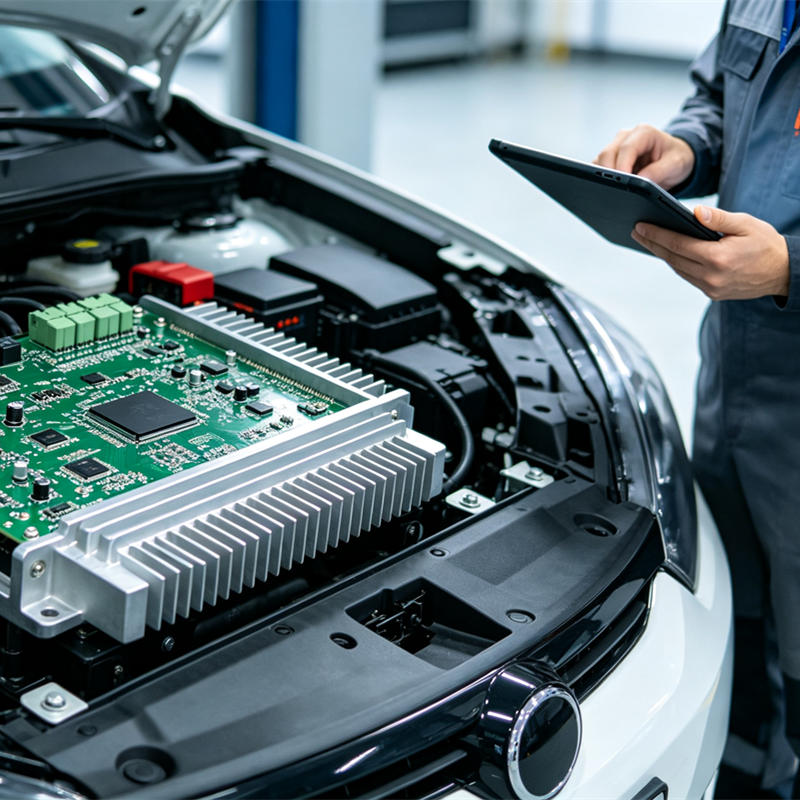
The Electronic Speed Controller (ESC) system serves as the brain of electric vehicles, comprehensively managing battery charging and discharging, motor power output and overall vehicle operating conditions. Precision electronic components are highly sensitive to high temperature, humidity and dust, making summer a high-incidence season for ESC faults. Moisture prevention, dust control and stable operating conditions are the core of ESC maintenance.
ESC units are mostly installed in damp-prone areas such as the engine compartment and chassis. High summer humidity, rainy driving and improper car washing easily cause water vapor to enter the ESC box, resulting in circuit board dampness, short circuits and signal disorder. Do not flush ESC modules and line interfaces directly with high-pressure water guns during car washing. Check engine compartment ventilation after rainy days and turn on the vehicle ventilation system to eliminate internal moisture and prevent corrosion of precision electronic components.
The ESC system bears higher operating loads in high-temperature environments. Frequent rapid acceleration and braking cause frequent high-frequency adjustment of the ESC system, increasing operating load and accelerating component aging. Maintain uniform and stable driving in summer, reduce aggressive driving behaviors, lower ESC working pressure, and stabilize overall vehicle operating conditions.
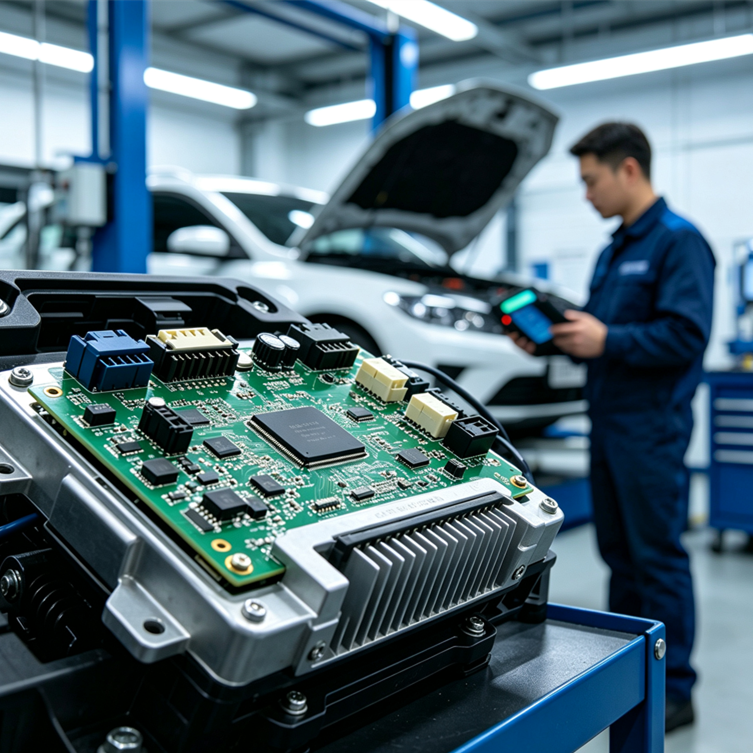
Long-term high-temperature and humid environments easily cause aging of ESC line insulation layers, line oxidation and reduced sensor sensitivity. Conduct regular professional detection on the ESC system to check fault codes, line insulation performance and sensor working status, and repair minor hidden troubles in a timely manner to avoid severe faults such as power loss and system errors. Meanwhile, regularly inspect the vehicle cooling system. Stop the vehicle immediately for inspection if the cooling system fault light is on, preventing damage to core three-electric components caused by high temperature.
4. HKBG Summer Three-Electric System Maintenance Summary
↓Next [ Celebrating the 29th Anniversary of Hong Kong’s Return to China ]